“We know that we know how to make some music and that music ain’t supposed to stand still…”
Mos Def and Talib Kweli, “Intro”
“I found my only chance for life was in flight.”
Narrative of the Life of Frederick Douglass
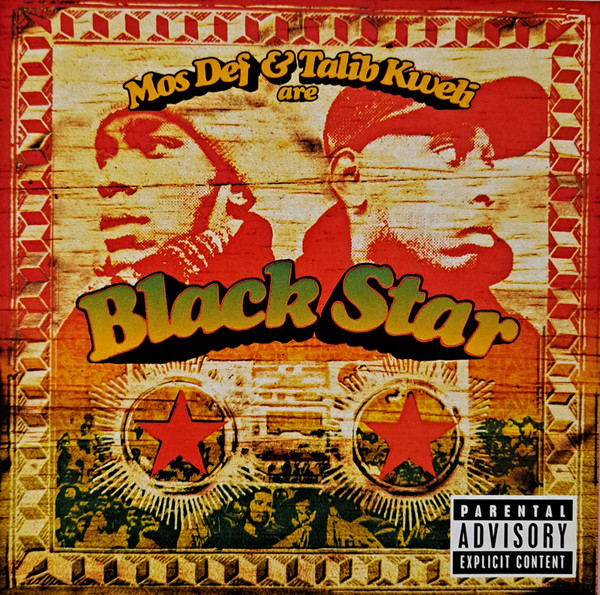
The first time I listened to Mos Def and Talib Kweli Are Black Star (youtube, spotify) was somewhere near 5:30am in the fall of 2020. As the sun comes up, I am jogging around Chicago’s COVID-abandoned downtown. It used to be, the trickle of cars would have already begun – but now, that trickle hasn’t been seen for months. Closed storefronts abound; broken glass and graffiti linger from the June before. And I am grumpy, the way I usually feel for the first few minutes of my run back then, in the chilly dark, the only time during the day when I could get the time I needed by myself, away from my job (zoom teaching in our bedroom) and from my family (including a 2 year old and 5 year old a few feet away on the other side of the bedroom door, and my wife having faculty meetings, all 4 of us locked in an endless spin cycle of device management, hyperactivity, anxiety and frustration.
So I remember something deep inside moved the first time I heard the syncopated downward descending bass riff that starts the album, the repeated “Black. Star. Black. Star.” the scratchy record sounds, the gospel “guiding me!”, the MC’s boast that Mos Def and Talib Kweli were “real life documentarians”- and then announcing:
We feel that we have a responsibility to… shine light… into the darkness. You know there’s a lot of darkness out here. We watch it all the time. I’m busy lookin’ at the darkness sayin’ ‘Damn, there’s some darkness over there.’ Whatever. And we have a responsibility to focus on it. You know, ya’ll be cool. We know that we know how to make some music and that music ain’t supposed to stand still…
Mos Def and Talib Kweli, “Intro”
At that time, in that place – 5:30am, October 15, 2020 – “there’s a lot of darkness out there.”
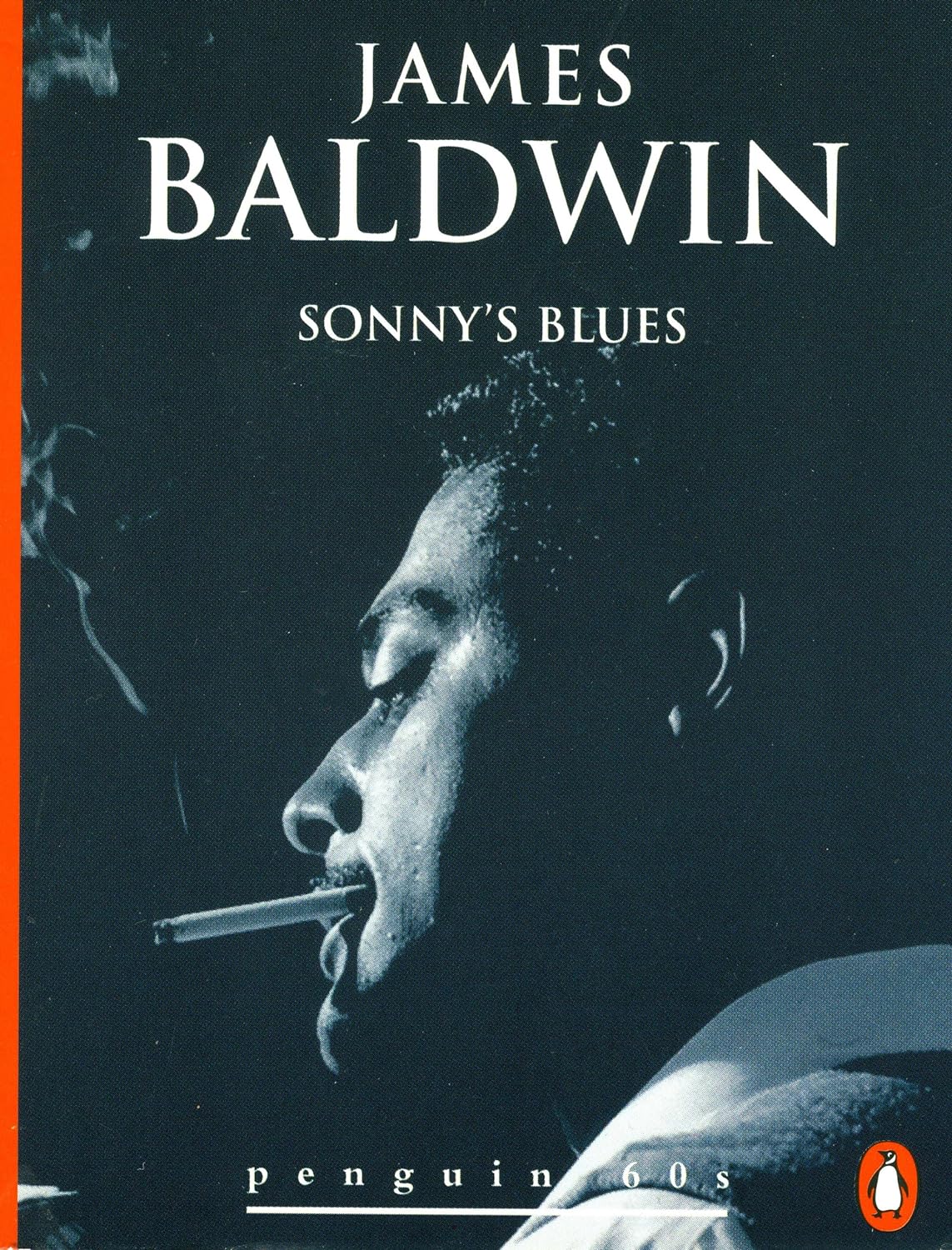
Even just the phrase “Black Star” is such a suggestive two words, which the album plays with in so many ways. Honestly it wasn’t until most of the way through the album – when I heard “we take the black star line, right on home” that Marcus Garvey’s name even popped into my head. But “Shine light into the darkness” brought me a lot of places that first time – John 1:1. Martin Luther King’s famous “darkness cannot drive out darkness, only light can do that.” Chicago’s commercial lights turned off, and at the time, some where wondering if that would be permanent. But really, where my mind first went was to the epic sweep of the final paragraph of James Baldwin’s “Sonny’s Blues,” as its stubborn but loving nameless older- brother narrator finally listens to his younger brother Sonny, while he performs in a jazz club:
For, while the tale of how we suffer, and how we are delighted, and how we may triumph is never new, it always must be heard. There isn’t any other tale to tell, it’s the only light we’ve got in all this darkness. And this tale, according to that face, that body, those strong hands on those strings, has another aspect in every country, and a new depth in every generation. Listen, Creole seemed to be saying, listen. Now these are Sonny’s blues. He made the little black man on the drums know it, and the bright, brown man on the horn. Creole wasn’t trying any longer to get Sonny in the water. He was wishing him Godspeed. Then he stepped back, very slowly, filling the air with the immense suggestion that Sonny speak for himself. Then they all gathered around Sonny and Sonny played. Every now and again one of them seemed to say, amen. Sonny’s fingers filled the air with life, his life. But that life contained so many others. And Sonny went all the way back, he really began with the spare, flat statement of the opening phrase of the song. Then he began to make it his. It was very beautiful because it wasn’t hurried and it was no longer a lament. I seemed to hear with what burning he had made it his, and what burning we had yet to make it ours, how we could cease lamenting. Freedom lurked around us and I understood, at last, that he could help us to be free if we would listen, that he would never be free until we did.
I have read that story with a full generation of students now (literally 15 years worth- so somewhere on the order of 1,000 high school juniors) and I always make sure to read those pages aloud. It is the sort of passage from a story that brings me to tears even to think about it. Sonny’s brother has finally, for once in his life, really listened to him. And he has seen the light in the darkness.
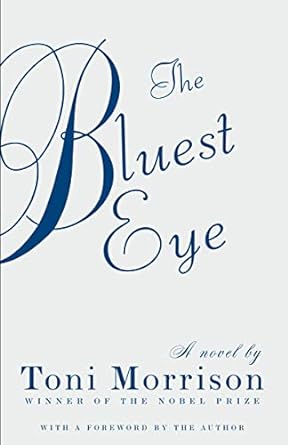
“Shorten and integrate better” is what I’d type in the margin if one of my students turned in a paper with a quotation that long. And yet I’m leaving it here, because one of this album’s singular qualities is its own willingness to block-quote. Toni Morrison (The Bluest Eye on “Thieves in the Night”) and Slick Rick (“Children’s Story” on the track of the same name) get the longest treatment but there are dozens of other shorter quotations, references and allusions. Henry Louis Gates marvels at the way rap lyrics honor and develop the Black American tradition of signifyin(g), through the extended, radical inclusion of full texts, drawing backwards and forwards at once. Black Star does that in a scholarly and also democratic way that only hip-hop can.
That idea of calling-in – through long quotation – is an album-long theme, but so is something that might seem to be its opposite – the idea that this music, and the products of Black culture in general, are likely to be stolen and distorted. The MC notes this inevitability here: “Anyhow, the statements that they make will determine what everybody else plays very shortly. Ya dig? And that’s the way it goes.”
These two related ideas – calling in, to celebrate, vs. cheap imitation, for the sake of capitalistic profit – often get called “cultural appreciation” and “cultural appropriation,” but I think Black Star are painting on a broader canvass than that social-media dichotomy. The duality comes up over and over again on the album – the core idea is, that Mos Def and Talib Kweli can and will copy, since they’re copying out of loving admiration, and to create a movement – but those others – haters, imitators, pop radio, white culture in general – just can’t. They can try – but it doesn’t work when they do it – like they put it on “Re-Definition,” “you tryin’ to imitate reality like xerox.” Taking it to another level, Black Star’s copies are better than their originals, because they don’t even know their originals are copies, a theme Mos Def takes up much more directly on his later track “Rock and Roll.”
As the MC says, Black Star’s music does not “stand still” – its goal is nothing less than the future ignition of a move-ment, but also, present-tense performance of that movement, a movement of Black power, a revolution of consciousness, a celebration of Black culture in so many of its forms, and an intersectional resistance to racism, colonialism, patriarchy and capitalism. To me, this enriches that idea of “A cipher will complete us” – what I was talking about last time: improvisational street corner hip-hop becomes a metaphor for a “Black Star movement,” a circle of radical interactive and dynamic development- what Paolo Freire calls “education as the practice of freedom” – a part of the same movement that Sonny, Creole and the rest of the band are joining in their performance in Baldwin’s story: “this tale… has another aspect in every country, and a new depth in every generation.” Or, we Mos Def puts it on “Twice Inna Lifetime,” the album’s final track: “we been here before.” The Black Star movement builds all the way through to that song’s final line, a synthesis of all comes before it, everything the “intro” promises:
“We the five on the fist fortified organized like this!”



 Original Positions
2 thoughts on “Track 1 of Mos Def and Talib Kweli are Black Star – “Intro””