[This is part 8 of a longer series – previous track – “B Boys Will Be Boys” – next track – “Hater Players”]
One of the great programmatic statements of the album begins this track, after a side conversation –
So many MC’s focus in on Black people extermination
we keep it balanced with that knowledge of self-determination
What strikes me here is “we” gets bigger and bigger – but at the same time, it’s like it’s been that big the whole time – from the first track “We know that we know how to make some music” right to the end “we the five on the fist organized like this.”
This song feels to me more like a whole bunch of thesis statements than one sustained meditation on any one of them – it reminds me most of the experiences Malcolm X describes in prison, teaching himself to read and write, and then systemically exploring the prison’s library until he comes to see the ways that history has become “whitened” and how to recover it – through KOS (knowledge of self) and also self-determination.
I have often reflected upon the new vistas that reading opened to me. I knew right there in prison that reading had changed forever the course of my life. As I see it today, the ability to read awoke inside me some long dormant craving to be mentally alive. I certainly wasn’t seeking any degree, the way a college confers a status symbol upon its students. My homemade education gave me, with every additional book that I read, a little more sensitivity to the deafness, dumbness, and blindness that was afflicting the black race in America. Not long ago, an English writer telephoned me from London, asking questions. One was, “What’s your alma mater?” I told him. “Books.” You will never catch me with a free fifteen minutes in which I’m not studying something I feel might be able to help the black man.

Some other standout lines –
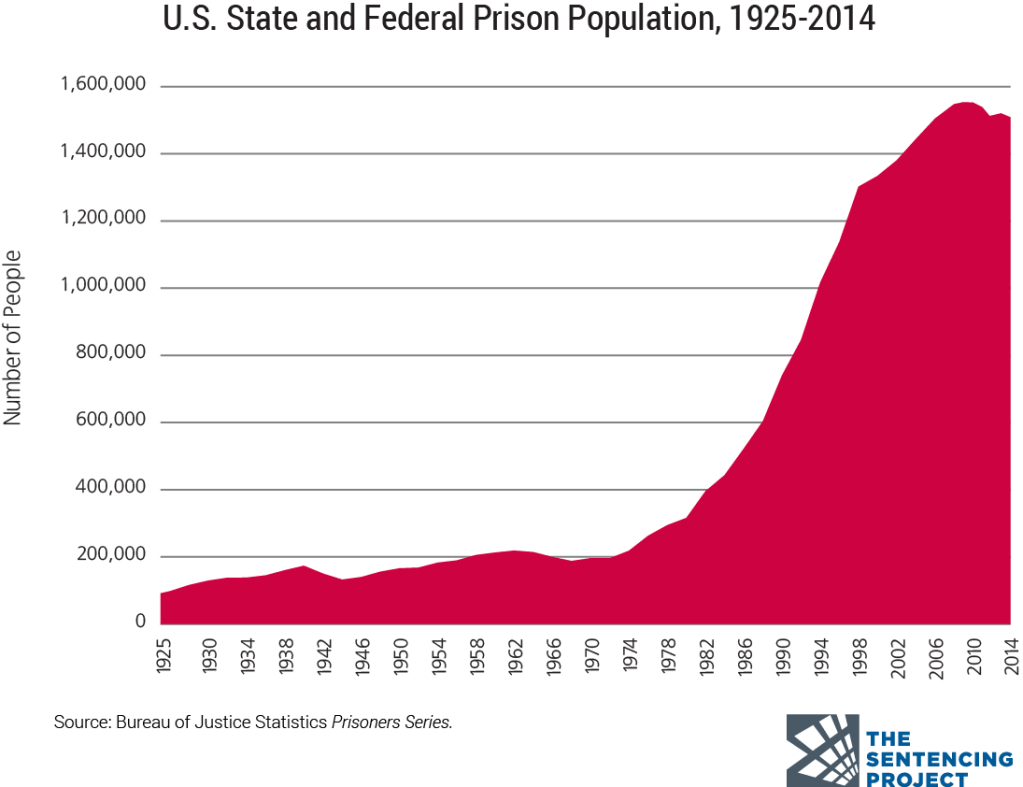
“I feel the rage of a million n****’s locked in a cage” – I hear Talib Kweli channeling his feelings about mass incarceration, which had surged exponentially in the years before 1998, when this album was released.
“We gonna take this hip hop shit and keep in movin’” – to me, ties back into the overall idea from the intro – that the music “is not supposed to stand still.” That there is a movement – a political and social movement – established and deepened in the lyricism of the album.
“Shed a little light/Now y’all bloomin’ like a flower with the power of the evident” suggests the idea that there is an aesthetic of critical positivity this song and album explores.
“The most important time in history is now – the present” – pushes back against the reading of Black history that explores moments from the past but insists on saying “things are better but we haven’t gotten all the way there.” By noting that we are within that history, not standing as observers looking back at this moments.
“History is not the past. It is the present. We carry our history with us. We are our history. If we pretend otherwise, we are literally criminals.
I attest to this: the world is not white; it never was white, cannot be white. White is a metaphor for power, and that is simply a way of describing Chase Manhattan Bank.”
James Baldwin

“The African diaspora represents strength in numbers” – foreshadows the end of the album, and consolidates the whole on “Twice Inna Lifetime” as its draws on the timeless refrain of “Go Down Moses”: “let my people go.”
I don’t think any student has ever explored this one – to me, its audience is a young black man who’s just got out of jail – or is maybe still there. Giving him advice for how to educate himself and focus his life on knowledge of self (determination). Knowledge of self- and knowledge of self-determination, in one.
[This is part 8 of a longer series – previous track – “B Boys Will Be Boys” – next track – “Hater Players”]

 Original Positions
3 thoughts on “K.O.S. (Determination) (track 8)”