[This is part 4 of a longer series – previous track – “Definition” – next track – “Children’s Story”]
“Definition” (youtube/spotify) and “Re:Definition” (youtube/spotify) roll together like one continuous track, but also like 2 mirror images: “Definition” is joyful and celebratory; “Re:Definition” is “turnin’ your play into a tragedy.” The key change (and subtle downshift in rhythm) work to make the same “one two three” chorus now land differently. This track is a much more dire, historically informed, forceful profession of hard truths. Full disclosure – I’m treading lightly here. This song reads to me like Mos Def and Kweli, two Black men, pleading with a Black musical audience to examine internalized racism – “‘How to Make a Slave’ by Willie Lynch is still applyin’” being the core claim. It does this by drawing on a whole host of voices from musical and cultural history. I recognize that’s a conversation I don’t have the lived experience to process well, but I also think the power of the lyricism transcends identity in some ways. I also think white folks like me have something to learn from the conversation if we can listen respectfully.
The song starts with a verse from Kweli that begins “Redefinition, turnin’ your play into a tragedy,” and suggests some type of inversion of street values, some skepticism about the whole rap game, depending on who “your” is. It goes on to connect rap industry trends directly to the history of structural racism in the United States. I think Kweli is pleading with someone – probably some lesser performer from the time, rapping uncreatively about drug dealing and street hustling. He implores them to recognize the pattern and so mixes rap-battle diss with heartfelt explorations of the consequences of his rivals’ cliche performances.
We die hard like the battery
Thrown in the back of me by the mad MC
Who think imitation is the highest form of flattery
Here is another good example of Black Star playing with imitation, both as a topic and a lyrical strategy. I think these lines might also might target Nas, echoing his line about a friend of his who has passed and the inspiration he provides for his music: “My man put the battery in my back, a difference from Energizer” (from “Memory Lane/Sittin’ In the Park“). It’s also possibly just a metaphor that was current in the 90’s and not intended in that direction, except that to me, so much of what Kweli is criticizing on this track is itself exemplified on Illmatic (which is not to say Illmatic does not have its own strengths).
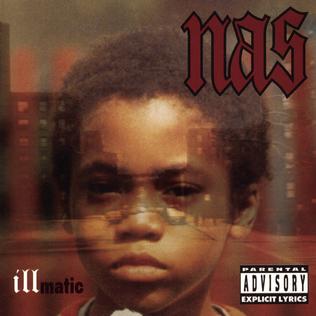
Whether that’s an allusion to Nas or not, the overall idea is that imitation of less than conscious cultural narratives can be a literal dead-end. “We die hard like the battery”- the United States’ culture of violence impacts Black people disproportionately. As the enjambed line continues “the battery/thrown in the back of me” evokes the Energizer bunny, taking its charge and annoyingly repeating its role without any awareness. Here, that repetition is the reproduction of tropes that reaffirm white supremacy.
“Actually, don’t be mad at me, I had to be the one to break it to you
You get kicked into obscurity like judo — no, Menudo
‘Cause you pseudo, tryin’ to compete with reality like Xerox
I think he’s saying that he’s coming from a place of love, pleading with that audience to stop imitating these clichés. He does stick with “we’ – it’s not just about that “you,” he saying, it’s about all of us, it’s about unity. The line also speaks to the corporate context of white supremacy in which white music tries to “compete with reality like Xerox.”
Towards destruction, you spiralin’ like helix, wipe them teardrops
Chasin’ stars in your eyes, playin’ games with your lives
Now the wives is widows, soakin’ up pillows, weepin’ like willows
Still more blacks is dyin’, ’cause they live and they tryin’
“How to Make a Slave” by Willie Lynch is still applyin’
I was talking with Isaac, one my my white students (again, not his real name), who had picked this song to analyze. He was trying to explain to me how much he liked it. I asked him if he knew what “How to Make a Slave” by Willie Lynch was, and what it would mean to say it’s still “appyin’”? This is a complicated question, and I quickly realized I didn’t actually have the information to have that conversation, which led me down a reading rabbit hole. There is a history of debate about the authenticity of the letter/speech. It has been read as real, as a hoax, as a parody, and more. Here is a quick piece by Jelani Cobb from the Jim Crow Museum that gets into some of that, and discusses Talib Kweli’s use of the line. Here’s another one, by William Spivey, which also includes the full text of the supposed letter. Spivey argues that “the letter was false, but the tactics were real and shouldn’t be readily dismissed.” Considering that copying and false claims of authorship are such a big theme on the album, I’m willing to believe Kweli is self-consciously playing with the ambiguity of the reality of this letter to make his point.
And the point Kweli is making here, I think, to his gangster-rapping interlocutor, is that the strategies in that speech/letter – to make Black people hate themselves, so they’re easier to manage by white overlords – are what Kweli thinks these lesser rappers are doing. And that’s a deep point that, lyrical complexity or historical reality aside, you can hear Kweli really earnestly articulating.
But then the song pivots from that dire claim towards something more constructive:
Regardless, Mos is one of my closest partners
Rockin’ ever since before Prince was called The Artist
Rockin’ before Funkmaster Flex was rockin’ Starter
When ‘Pac and Biggie was still cool, before they was martyrs
Life or death, if I’m choosin’, with every breath I’m enhancin’
Stop, there comes a time when you can’t run
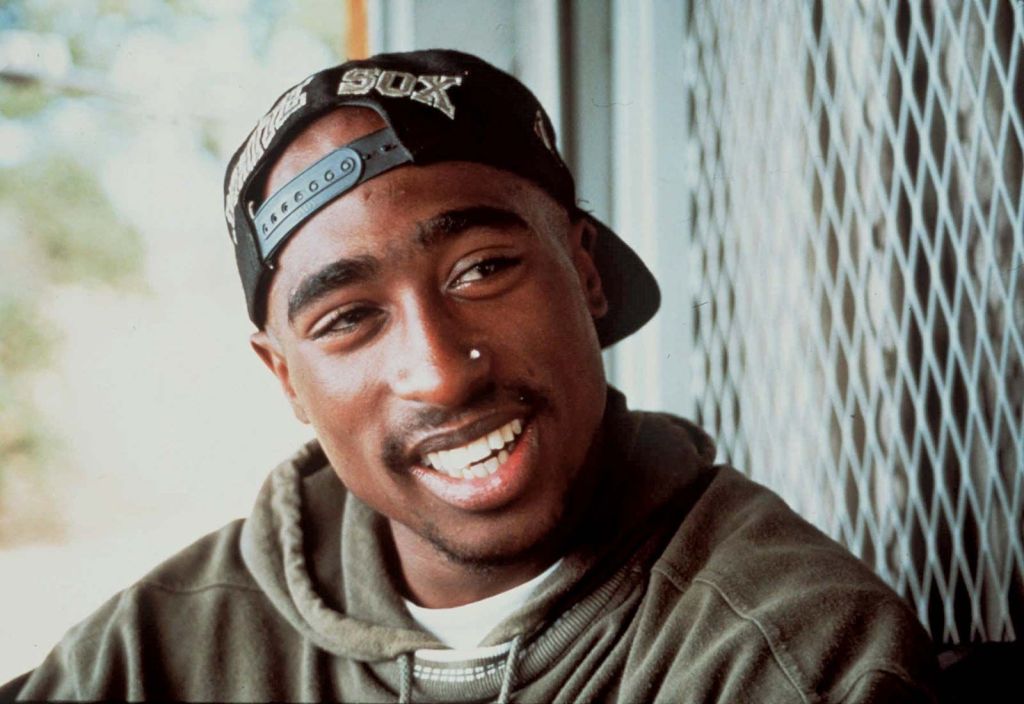
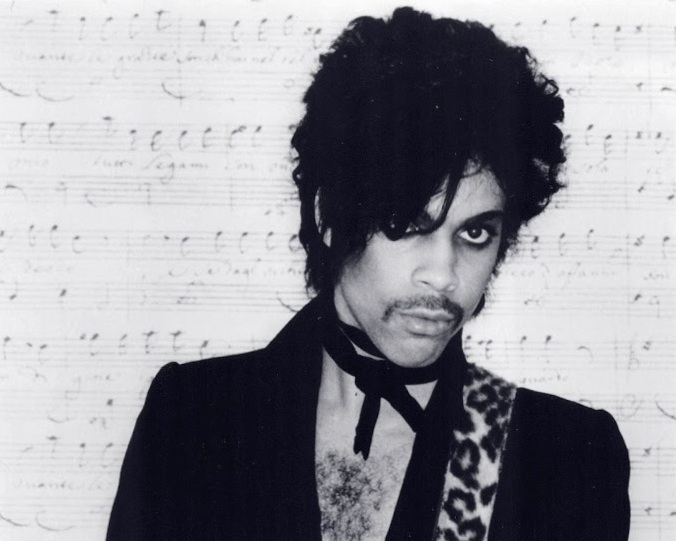
With some well-placed assonance, Kweli falls back on the force of Black Star duo’s alliance as a model for organizing (“Mos is one of my closest partners”), celebrating their friendship’s longevity, then rattling off a catalog of great Black performers – Prince, Funkmaster Flex, Tupac, Biggie (one more of whom is dead since these lyrics were delivered). And the strength of the anaphora – “rockin’…rockin’” develops the force of the bond he’s strategically deploying.


And with that he turns the mike over to Mos Def himself –
What?
Lyrically handsome, call collect a king’s ransom
Jams I write soon become the ghetto anthem
Way out like Bruce Wayne’s mansion, move like a Phantom
You’ll talk about me to your grandsons
Cats who claimin’ they hard be mad fags
So I run through ’em like flood water through sandbags
Competition is mad, what I got, they can’t have
Sinkin’ they ship like Moby Dick to Ahab
[Before I go on I think the line that starts “cats who claimin’ they hard…” needs to be talked about. I’ve listened to this album so many times I can say, each and every lyric seems so very deliberately inclusive, really, except for this line, and one very similar moment on one other track. I want to write about this separately next time. For now I’ll just say I don’t think homophobia is okay just because it’s in the service of calling out hypocrisy.]
“Jams I write soon become the ghetto anthem” suggests another “redefinition” – Black Star wants to replace the less conscious music they’re criticizing, with tracks like their own, that focus on unity. And they think what they write is also catchy enough to do that. “You’ll talk about me to your grandsons” suggests Mos Def knows the world-historical importance of what he’s saying, knows what could be learned from him if folks would listen. “Sinkin’ they ship like Moby Dick to Ahab” shows Mos Def boasting that his lyricism can itself destroy the gangster ethos, comparing it to Ahab’s obsession in Melville’s novel, itself an all-consuming mania that no less an authority than Toni Morrison has likened to whiteness itself in her Tanner Lecture (see pages 140-145 especially). I would not be surprised if both of these performers (after the success of their album, one of their first financial moves was to purchase a struggling Black bookstore in Brooklyn) had read this.


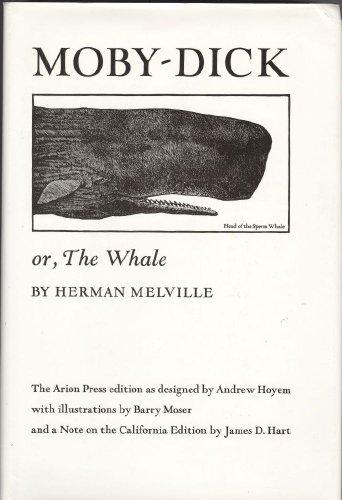
In short, gang war does the modern-day-Lynch-Law dirty work need to maintain the white supremacist order, but Mos Def and Talib Kweli are here to set things right, re-defining the genre, building the Black Star Movement.
Son, I’m way past the minimum, enterin’ millennium
My raps will hold a gat to your back like Palestinians
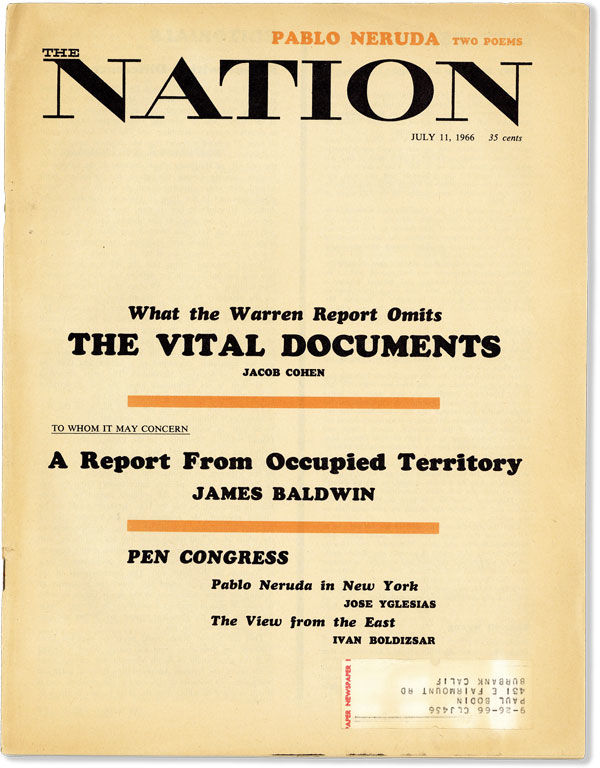
[Another side note – 2023 has seen a rash of center-right op-eds alleging that making analogies between critical race theory in the United States and the Israeli Occupation of Gaza and the West Bank are somehow products of 2020 “wokeness.” But “My raps will hold a gat to your back like Palestinians” was recorded in 1998. And it’s by no means the only example of this analogy. James Baldwin (1966) and Angela Davis (2016), and I’m sure a bunch of others, each in their own ways, draw on this parallel. Whatever you think of arguments for or against this analogy, let’s stop saying it’s an anachronistic Gen Z invention].

(Gentlemen!) You got a tenement? Well, then assemble it!
Leave your unit tremblin’ like herds of movin’ elephant
Intelligent embellishment, follow for your element
From Flatbush settlement, skin possesses melanin
Hotter than tales of crack peddlin’
Makin’ ’em WOOP like blue gelatin, swing like Duke Ellington
Broader than Barrington Levy, believe me
The hot Apache red who burned down your chief teepee
You see me?
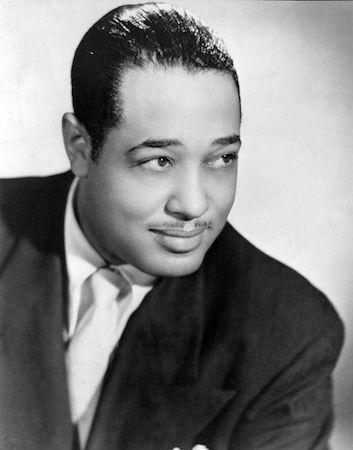
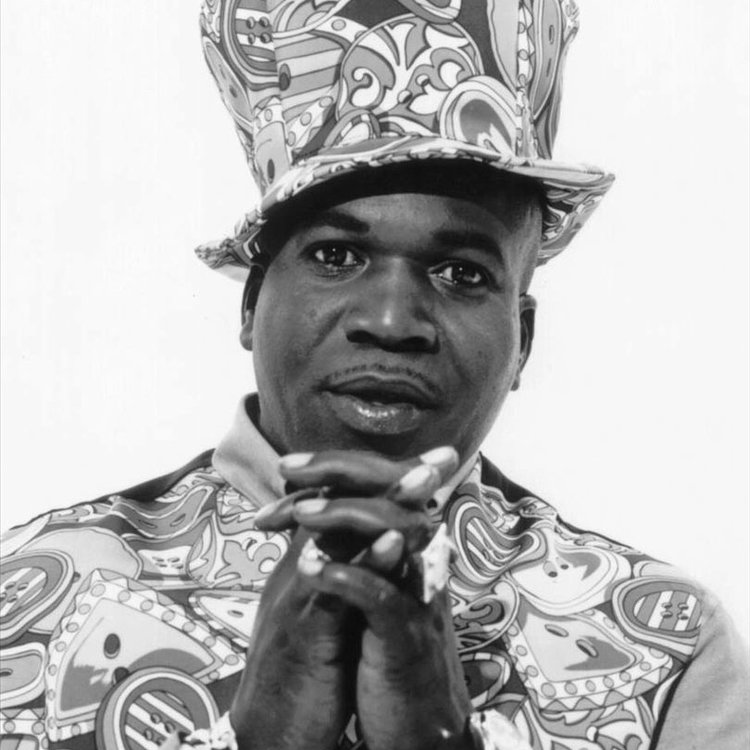
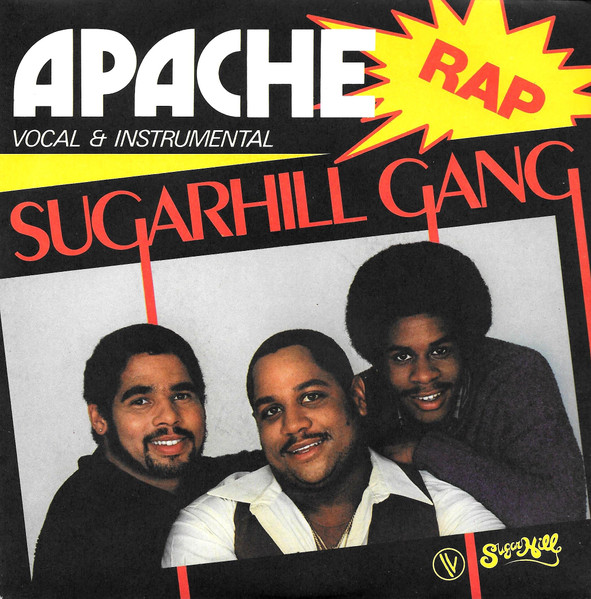
Again we hear Mos Def trying to redefine the lives of the people he’s coming for, not just diss them. “You got a tenement? Well, then assemble it” – you control some territory in the drug game – well then bring it into the movement for unity. He suggests “intelligent embellishment” as a method – because Mos knows who he is – knows the truth of what race is – “skin possesses melanin.” “Hotter than tales of crack peddlin’” suggesting he can do more than all that bravado, deftly calling his audience back to the strengths residing in Black culture, exemplified in Duke Ellington, Barrington Levy, but still pleading “believe me” – his lyrics are like “the hot Apache red” (it’s a hot pepper, but also feels like an allusion to the Sugarhill Gang song) that burns down “your chief teepee” – their pretensions to leadership.
The energy that jumps off the track with that final “you see me?” is electrifying every time. Mos Def and Talib Kweli’s attack on these second-rage gangster-rappers grows out of “love in the face of hate” – and a desire to transform their surroundings in a more radical way – “radical” in the sense of the root, the history, drawing on the legacy of a culture Mos Def knows has so much to say about the trends this song seeks to critique.
[This is part 4 of a longer series – previous track – “Definition” – next track – “Children’s Story”]

 Original Positions
5 thoughts on “Re:Definition (Track 4)”